A jade bracelet for men should be chosen by the wrist, the bead diameter and the way it closes—not by a generic “men’s size” label. A 6 mm strand can look deliberate on a broad wrist, while a 10 mm strand can feel awkward if its inner fit is too tight. The useful question is not whether a bracelet looks masculine in a photograph. It is whether the proportions, weight and construction suit the person who will actually wear it.
Measure the bare wrist snugly, then check what the seller’s stated size means. For a first jade bead bracelet, 7–8 mm usually gives a balanced presence; 5–6 mm is quieter and easier beside a watch; 9–10 mm is more substantial and needs more room inside the strand. Larger beads do not automatically mean a better or more “masculine” bracelet.
Start with the wrist, not the word “men’s”
Men’s wrists vary too much for one default bracelet length to be reliable. The same is true of hand size, personal style and tolerance for movement. Two people with the same wrist circumference may choose different fits because one works at a keyboard and wants the bracelet stable, while the other prefers a relaxed strand that moves freely.
Measure where the bracelet will sit—usually just below the wrist bone. Wrap a flexible tape around the skin without squeezing. If you use a strip of paper, mark the overlap and measure it against a ruler. Record the bare-wrist number in both centimeters and inches before adding any allowance.
- Choose the wearing position. Measure the exact place where the bracelet should rest rather than the widest part of the hand.
- Keep the tape snug. It should touch the skin without compressing it. Do not slide a finger underneath while measuring.
- Record the bare wrist. The raw number is easier for a seller to use than a measurement that already includes your guessed allowance.
- Ask what the listed size represents. It may mean total strand length, finished inner circumference, an adjustable range or a recommended wrist range.
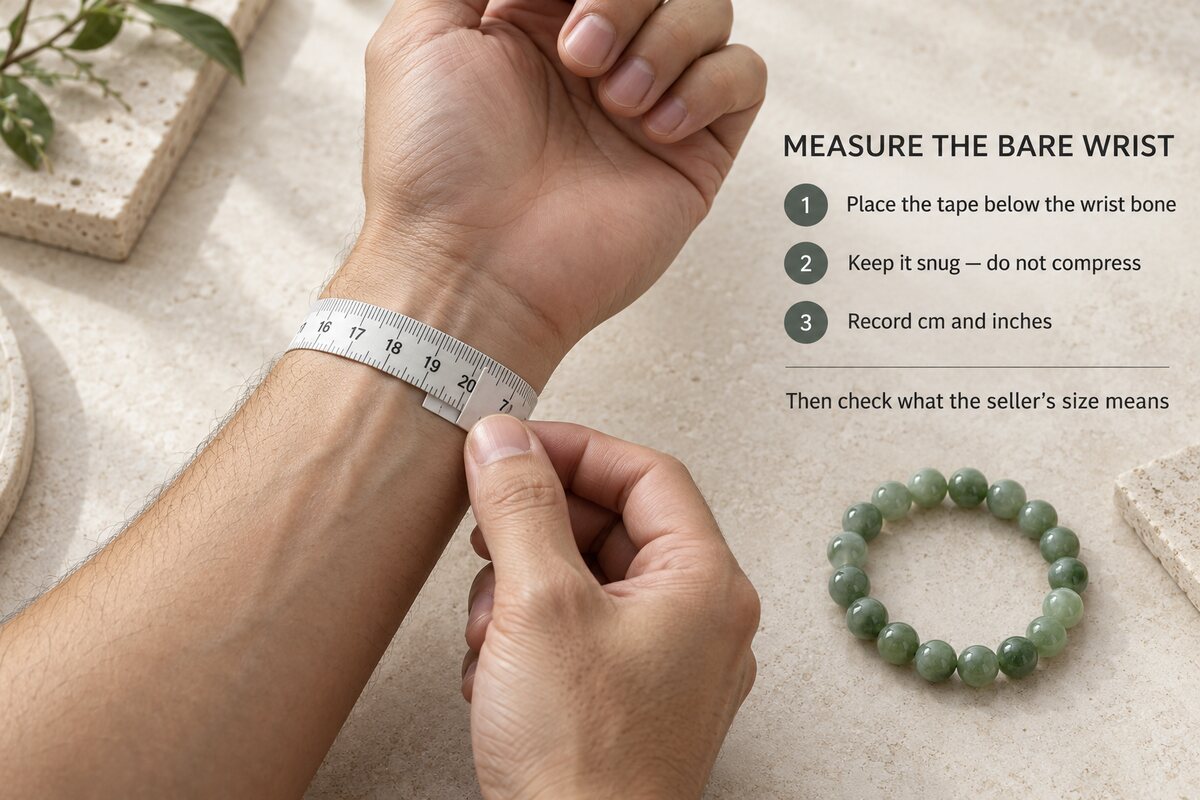
A snug bare-wrist measurement is useful. A vague Small, Medium or Large label is not—unless the listing explains the corresponding wrist range and how the bracelet was measured.
How much ease should a bead bracelet have?
For many small- or medium-bead bracelets, approximately 0.5–1 cm (0.2–0.4 in) above the wrist gives a close fit, around 1–1.5 cm (0.4–0.6 in) gives comfortable everyday movement, and 1.5–2 cm (0.6–0.8 in) feels relaxed. Treat those numbers as a starting conversation, not a universal formula.
Round beads occupy space on the inside of the bracelet. A strand measured flat from end to end can therefore wear smaller than the same stated length in a thin chain. The larger the beads, the more important it is to ask for the finished inner circumference or the recommended wrist range. If you are between sizes, do not assume the elastic will solve the problem; constant over-stretching shortens cord life.
6 mm vs 8 mm vs 10 mm jade beads for men
Bead diameter changes the visual weight, physical weight and flexibility of the bracelet. It also changes how the stone reads from a normal viewing distance. Smaller beads make a finer line around the wrist. Larger beads show more surface area, but they also project farther from the skin and can catch on a cuff.
| Bead diameter | How it reads on the wrist | Usually suits | Check before buying |
|---|---|---|---|
| 5–6 mm | Slim, quiet and lightweight | Minimal styling, narrow cuffs, wearing beside a watch | Small beads may look delicate in close product photos but more restrained in person |
| 7–8 mm | Balanced and clearly visible | A first bead bracelet, everyday wear, most casual outfits | Confirm the finished inner fit rather than relying on bead count |
| 9–10 mm | Substantial without being oversized | Larger wrists, visible stone texture, a single-bracelet look | Allow enough inner room; the strand will feel firmer than small beads |
| 11–12 mm+ | Bold and high-profile | Statement styling and people comfortable with heavier jewelry | Ask for total weight, projection from the wrist and return terms |
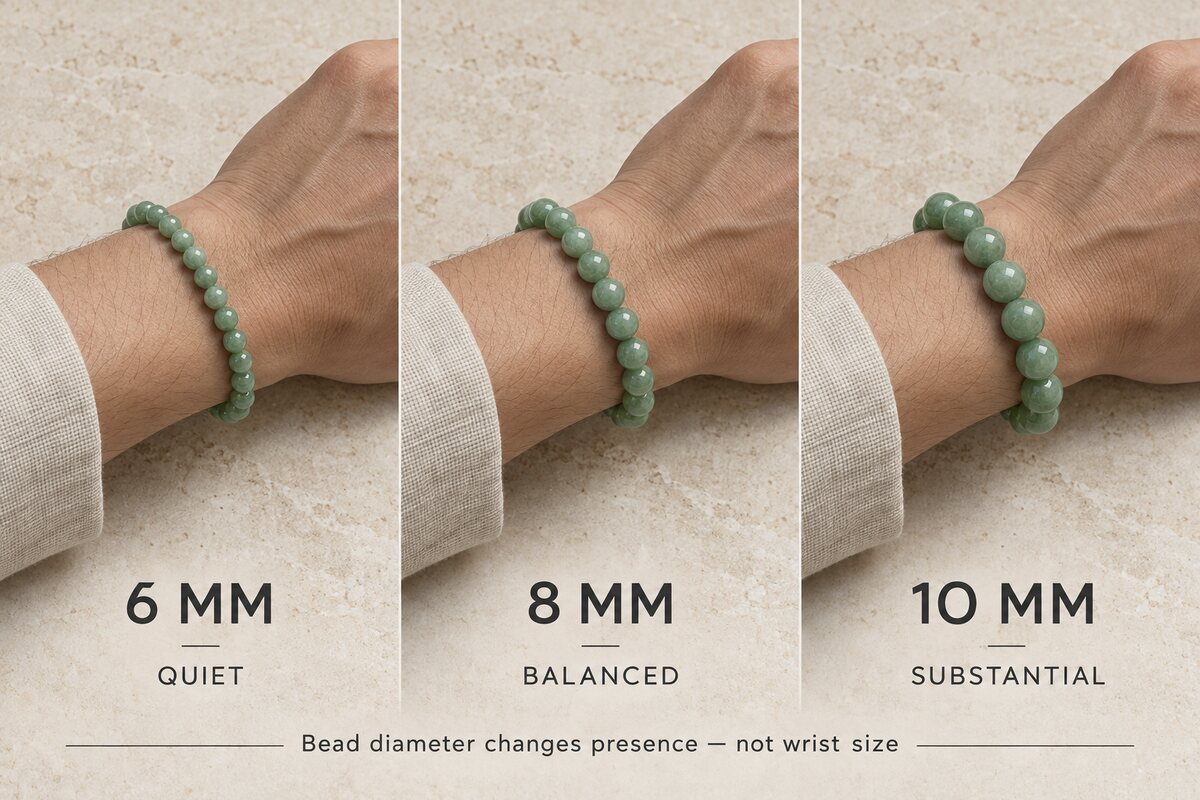
Six millimeters looks restrained, eight millimeters is balanced, and ten millimeters makes the bracelet a visible part of the outfit. Choose the effect you want, then verify the actual wrist fit.
Is 8 mm or 10 mm better?
Choose 8 mm when you want a first bracelet that works with a shirt cuff, a watch or other restrained jewelry. It is visible without dominating the wrist and generally moves more easily than a larger-bead strand. Choose 10 mm when the wearer prefers one substantial bracelet, has room above the wrist bone and does not mind additional weight.
Neither option is automatically more valuable. Jade value depends on the exact material, treatment status, color, translucency, texture, damage and workmanship. A larger low-quality or treated bead is not made better simply by its diameter. If authenticity matters, use the checks in our jade bracelet authenticity guide.
Choose the closure around daily behavior
The closure affects how the bracelet is put on, how precisely it fits and what maintenance it needs. This matters more than assigning a closure to men or women.
| Construction | Best feature | Common limitation | Good choice when |
|---|---|---|---|
| Elastic | Fast, simple and clean-looking | Cord eventually needs inspection or restringing | You want easy daily on-and-off and the wrist is inside the stated fit range |
| Clasp | More tailored fit and a jewelry-like finish | Small hardware may be awkward one-handed | You prefer a defined length and do not want to stretch a bracelet over the hand |
| Sliding cord | Useful adjustment across a range | The maximum opening still has to clear the hand | The bracelet is a gift or the wearer likes to change the fit |
| Wrap | Layered appearance from one piece | More material, movement and weight on the wrist | You want a textured, casual look rather than a single neat strand |
For a more detailed comparison, see Elastic vs Clasp vs Wrap Jade Bracelets. If the bracelet will be worn most days, also check our guide to showering, sleeping, exercising and swimming with jade jewelry.
Color does not have to follow a “men’s” rule
Dark green, blue-green, black-looking jade and pale nephrite are often marketed to men, but color is a style choice rather than a requirement. A slim blue-green strand can feel modern; pale Hetian jade can look quiet and architectural; lavender can work when the design is simple. The deciding factors are the wearer’s clothes, metal preferences and comfort with contrast.
Be precise about material names. Jadeite and nephrite are both jade, but they have different structures and visual character. Lapis lazuli, amber, agate, wood and enamel may be intentional accent materials; they should not be described as jade. Our jadeite vs nephrite bracelet guide explains the distinction in plain English.
Can you wear a jade bracelet with a watch?
The simplest arrangement is the watch on one wrist and the jade bracelet on the other. It prevents metal cases, crowns and bracelet links from repeatedly striking polished stone. If you prefer both on the same wrist, keep a little separation and choose a bracelet that does not slide freely into the watch.
A smaller 5–6 mm bead bracelet usually sits beside a watch more quietly than a 10–12 mm strand. Avoid forcing a tight bracelet behind the watch case. Jade is durable for jewelry, but hard knocks can still chip beads, especially around drilled holes or existing fractures.
What if the wrist is larger than the listed range?
Do not buy a smaller elastic bracelet and depend on permanent stretch. Ask whether the maker can add matching beads, rebuild the strand on longer cord or offer a clasp extension. Matching is easier before purchase than after the item arrives, particularly when the beads have natural variation.
For a fixed clasp bracelet, ask for wearable length and whether that measurement includes the clasp. For a sliding cord, verify both the smallest wearable circumference and the maximum opening over the hand. For a wrap bracelet, confirm the intended wrist range after all turns are in place.
Buying a jade bracelet for a man as a gift
If possible, measure a bracelet he already wears comfortably. Be sure you are measuring a comparable construction: a thin chain length does not translate directly to a 10 mm bead strand. When measurement is impossible, an adjustable cord or a seller who can resize the bracelet is safer than guessing.
Use his existing accessories as the style clue. A slim steel watch and neutral wardrobe usually point toward smaller beads and clean color. Chunkier watches, rings or leather accessories can support a larger bead or mixed-material bracelet. This is more reliable than assuming every man wants black or oversized jewelry.
Questions to ask before buying
- What is the recommended wrist range? Ask for centimeters and inches.
- What does the stated bracelet size mean? Total length, inner circumference and wrist range are different measurements.
- What is the bead diameter? Confirm whether measurements describe the main beads or only a focal bead.
- How much does it weigh? Larger beads and mixed materials can feel very different during a full day.
- What is jade, and what is an accent material? Ask the seller to separate jadeite, nephrite, stone, wood, enamel and metal claims.
- Has the jade been treated? If treatment status matters, request clear disclosure or a verifiable report.
- Can it be resized? Ask before purchase, especially for a large wrist or a gift.
- What is the return policy? Confirm that a fit issue can be handled without damaging or altering the bracelet.
How current LuckJade bracelets differ on the wrist
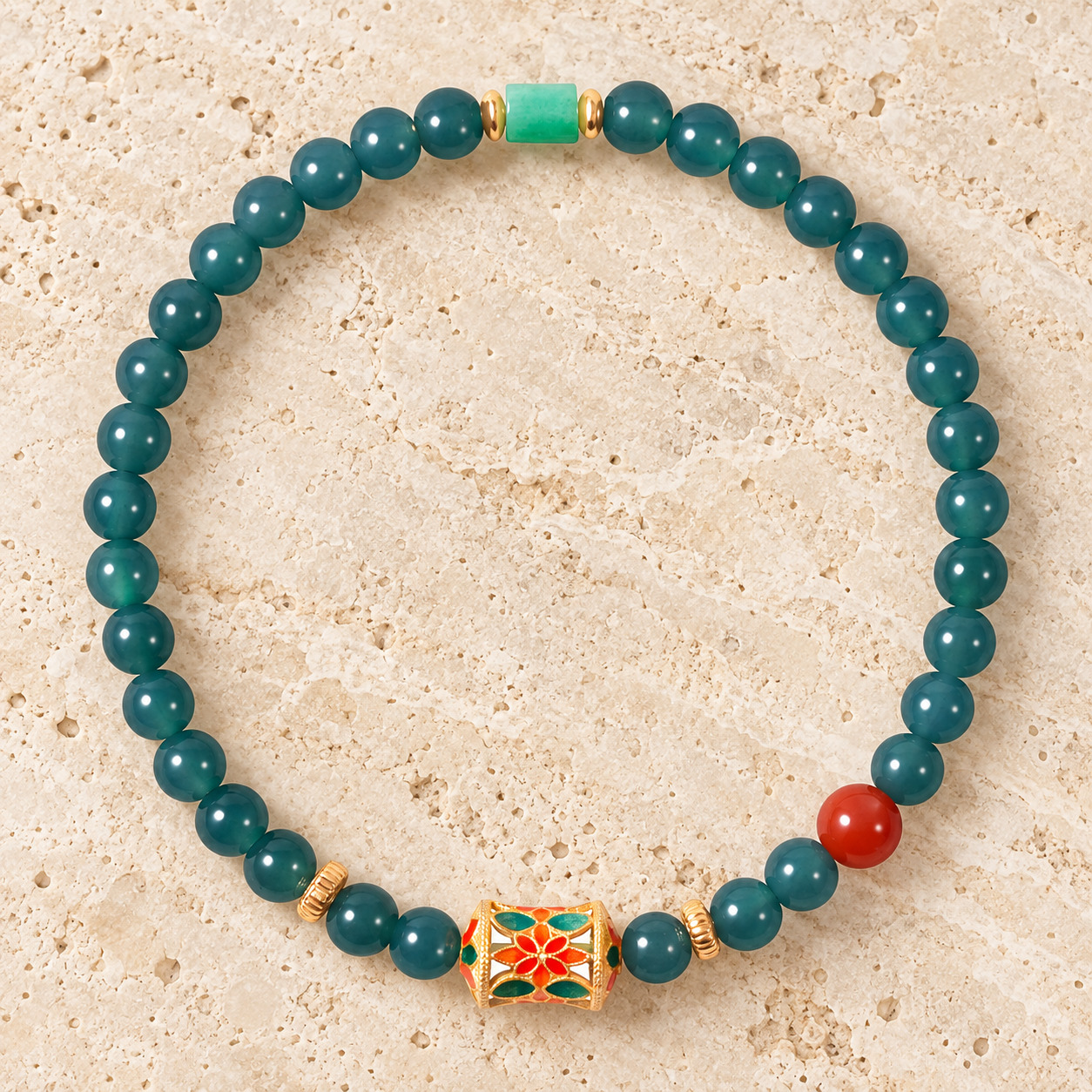
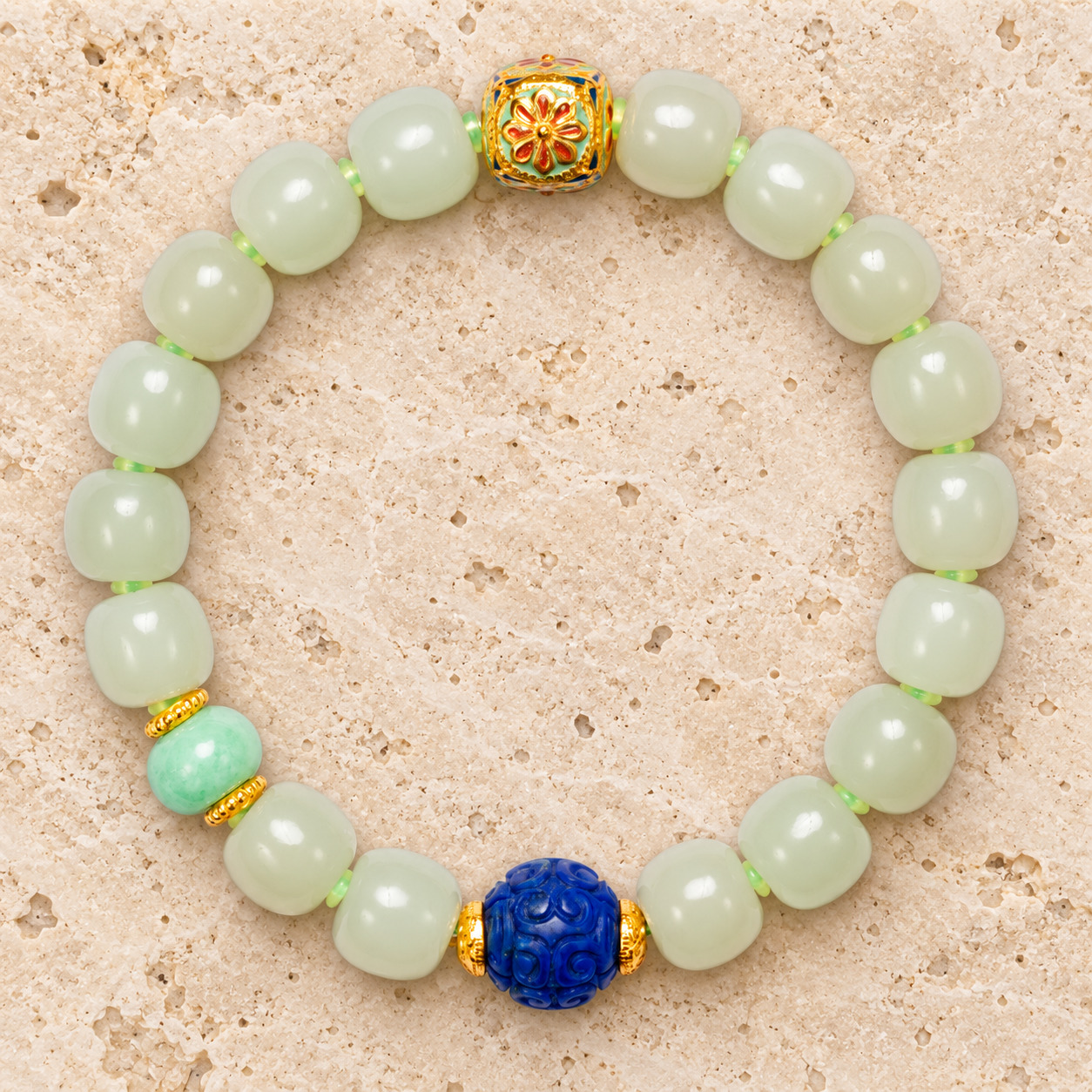
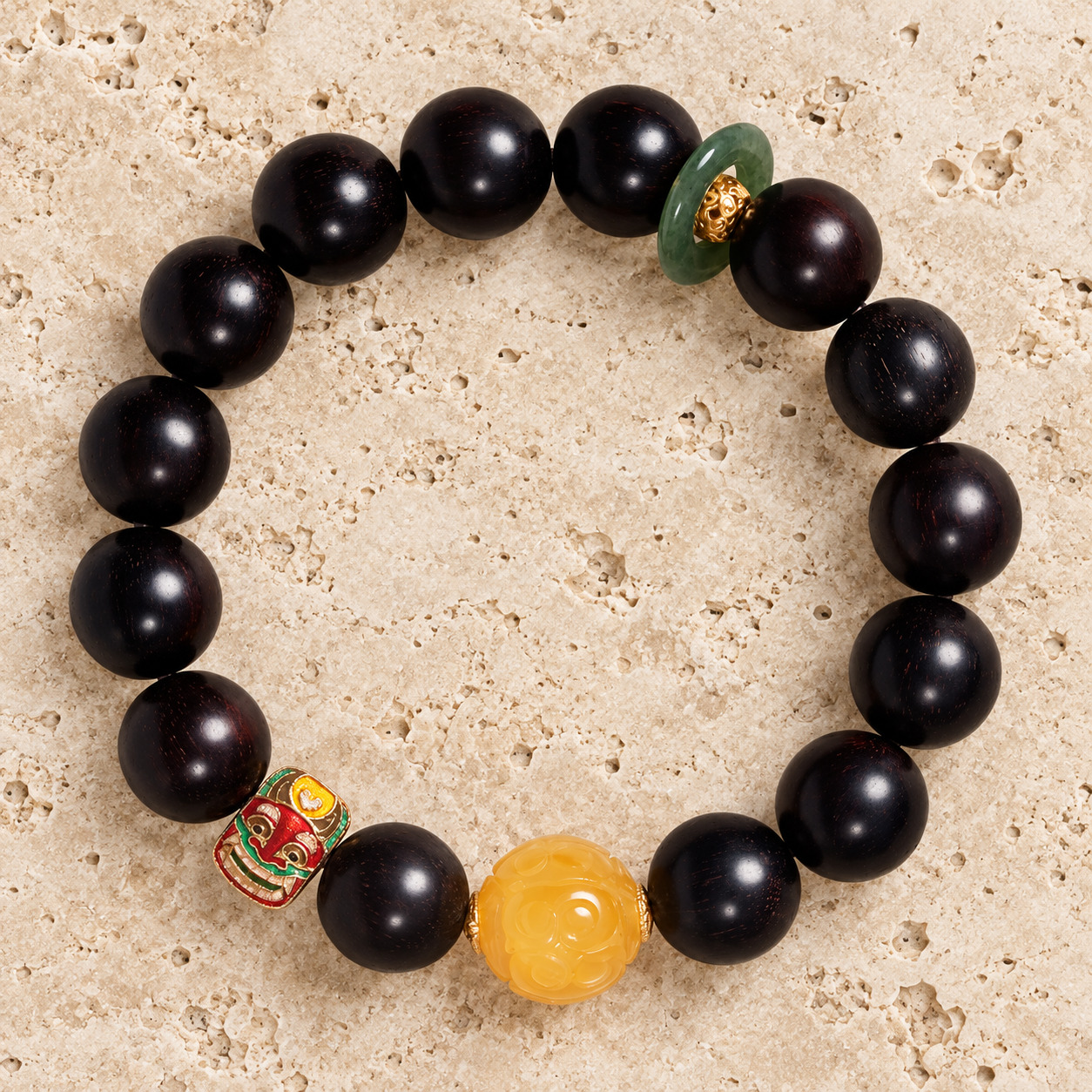
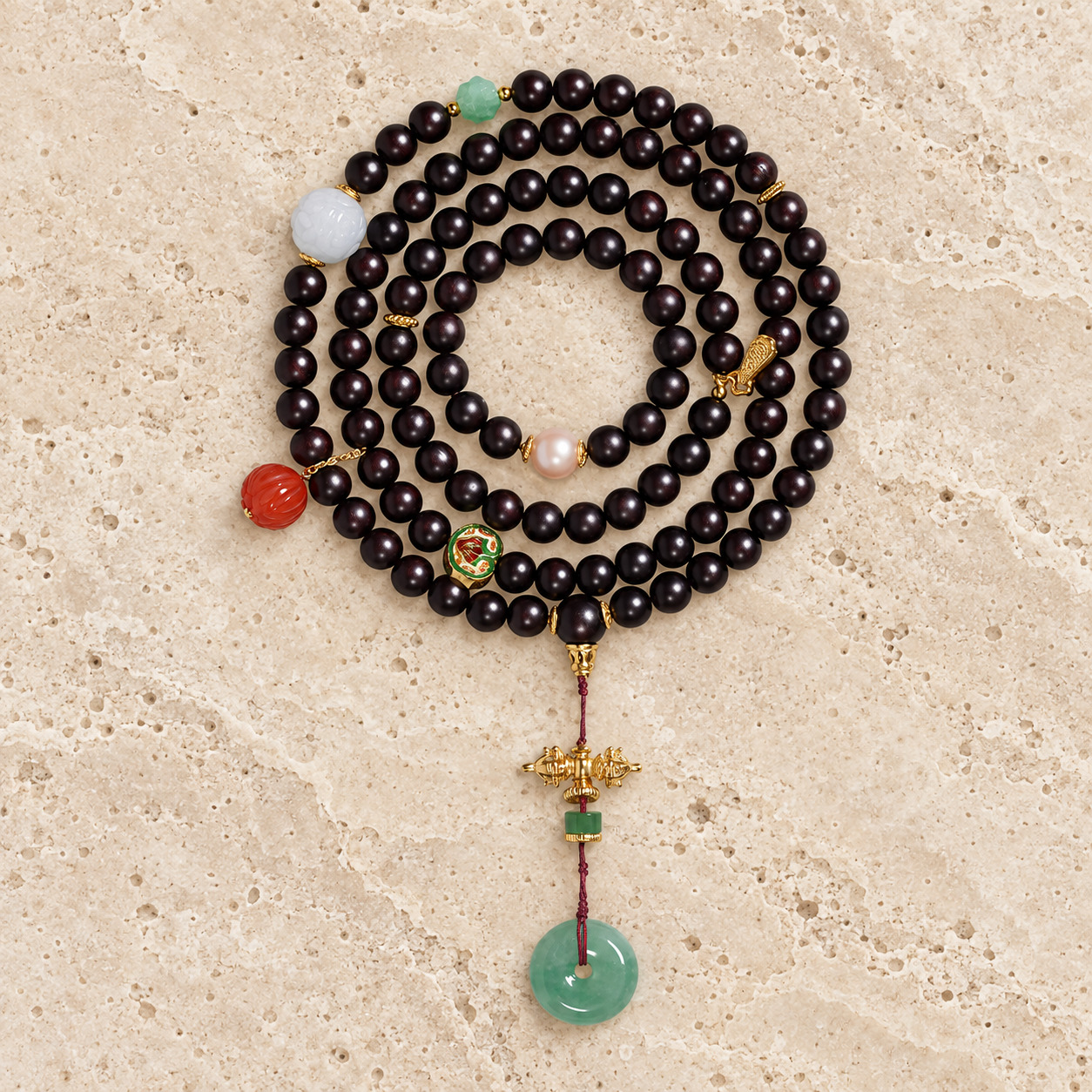
The range below shows why a single “men’s jade bracelet” label is not enough. Each design creates a different result through bead size, material and construction:
| Bracelet | Main scale | Weight / construction | Wrist effect |
|---|---|---|---|
| Blue Water Jadeite Bracelet | Approximately 5 mm jadeite beads | 8.50 g · elastic | Light, slim and easy beside a watch |
| Hetian Jade and Lapis Bracelet | Approximately 9 × 10 mm old-style jade beads | 34.92 g · elastic | Substantial, with a deeper blue focal contrast |
| Red Sandalwood, Amber and Jadeite Bracelet | Approximately 12 mm wood beads | 19 g · elastic | Bold mixed-material scale; jadeite is an accent, not the main strand |
| Red Sandalwood Jade Wrap Bracelet | Approximately 7 mm wood beads | 33 g · multi-wrap | Layered and casual, with more movement than a single strand |
All four currently list an approximate 15–17 cm (5.9–6.7 in) wrist range. Compare that number with the wearer’s actual wrist before focusing on color or bead size.
Frequently asked questions
Can men wear jade bracelets?
Yes. Jade bracelets are not restricted by gender. Choose the bead scale, color, construction and fit that work with the wearer’s wrist and daily clothing.
What bead size is best for a first men’s jade bracelet?
Seven to eight millimeters is a practical middle ground for many buyers because it is visible without being especially bulky. Choose smaller for a quieter look and larger for a more substantial one.
Should a men’s bead bracelet be tight?
It should not leave deep pressure marks or require the elastic to remain stretched. A close fit can be comfortable, but the bracelet should still move slightly and clear the wrist bone.
Is a 10 mm jade bracelet too large?
Not necessarily. Ten millimeters works well when the wearer likes visible stone jewelry and the finished inner fit suits the wrist. Check weight, cuff clearance and the seller’s wrist range.
Which wrist should a man wear a jade bracelet on?
Either wrist is fine. Practical factors matter more than rules: use the non-watch wrist to avoid repeated contact, or choose the side that interferes least with work and movement.
Are dark green or black-looking bracelets more authentic?
No. Color does not prove material identity or treatment status. Very dark jade, other stones and imitations can look similar in photographs, so rely on precise disclosure and appropriate testing.
Measure the wrist, decide how much presence feels natural, and confirm the stated fit range before comparing colors.
Compare bracelets by scale and construction